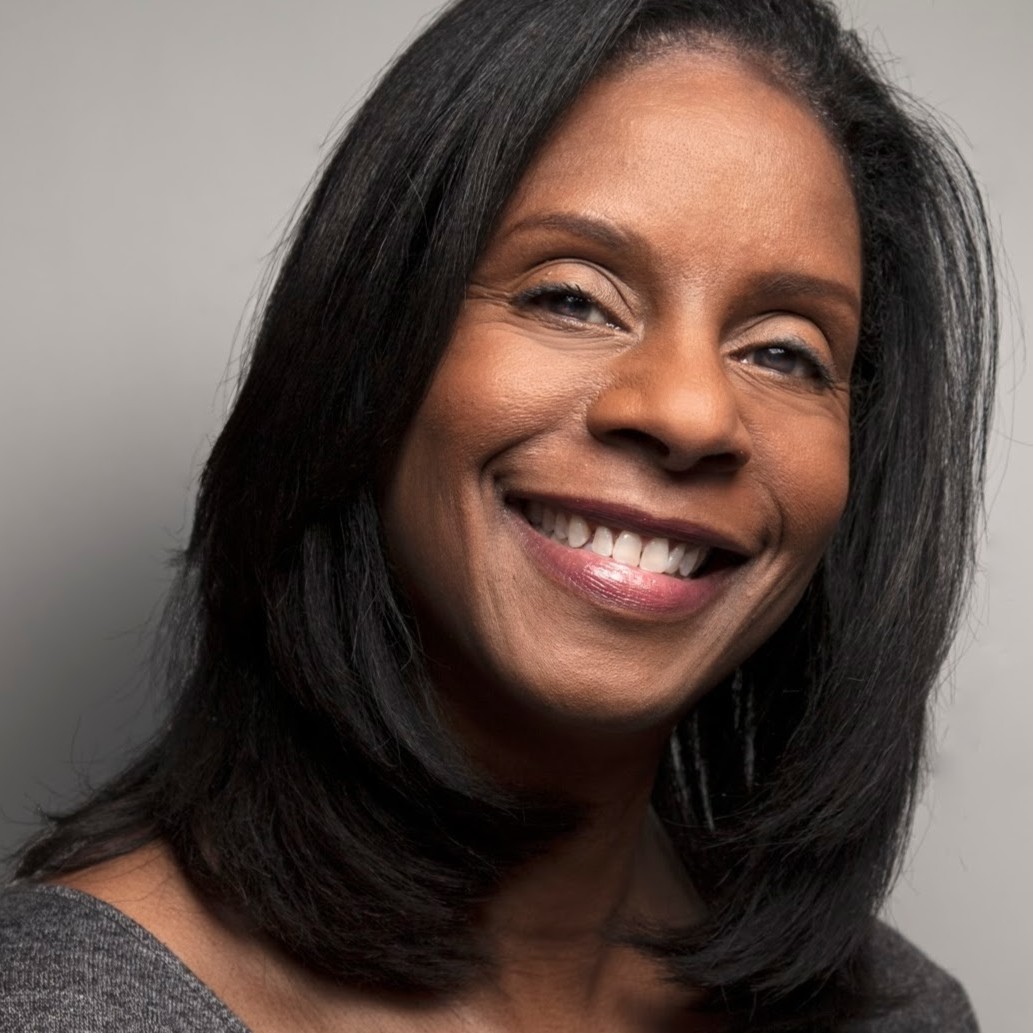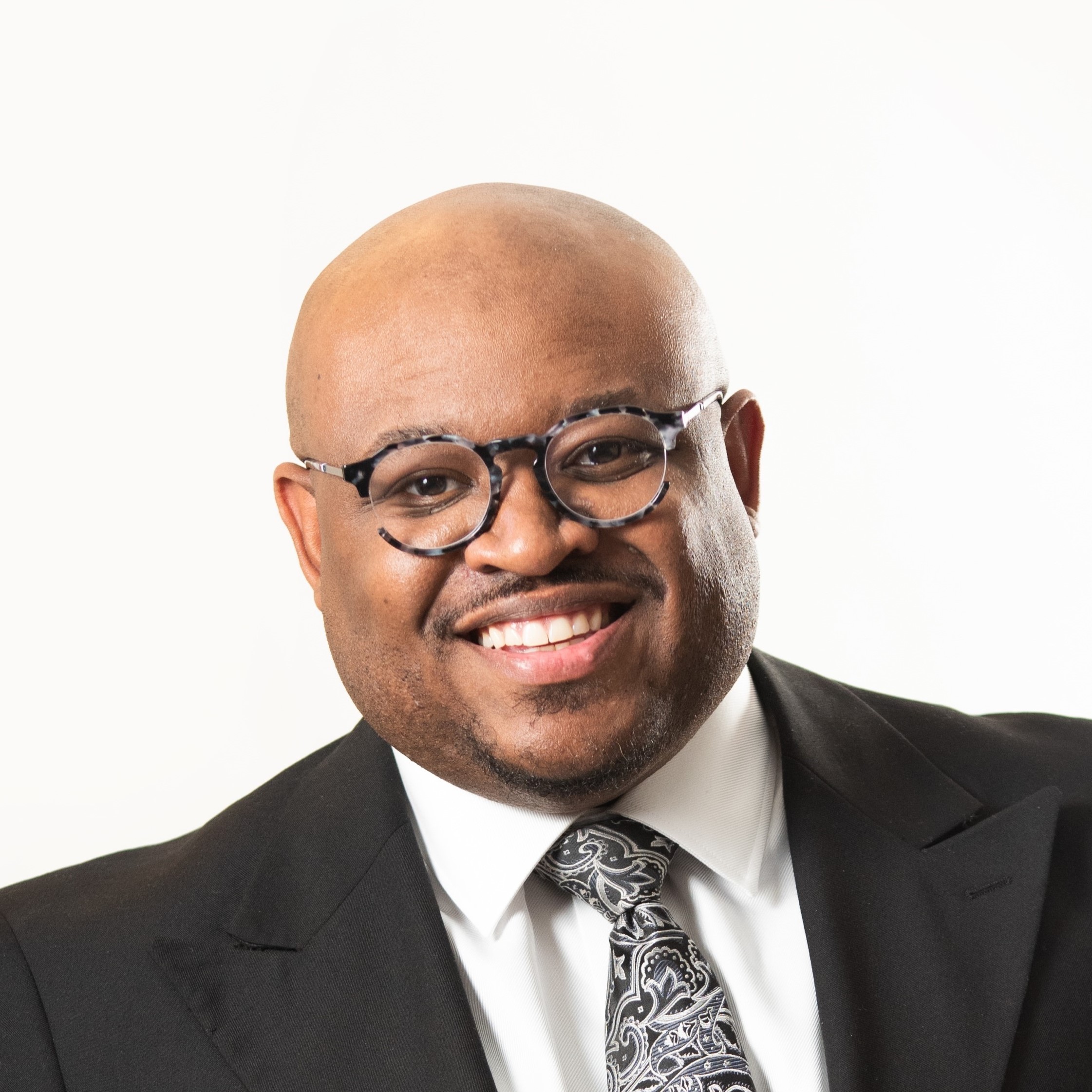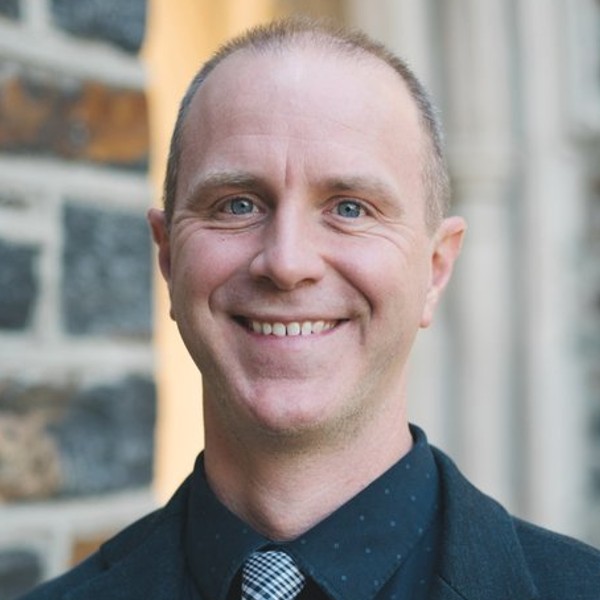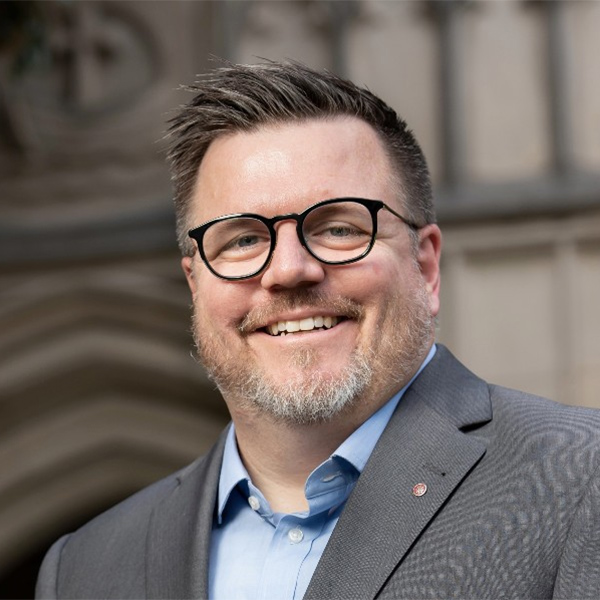

The Rev. Jill Graham wears two hats. She is part-time pastor of the 125-member First Congregational Church of Sheffield, United Church of Christ. She is also an associate conference minister, overseeing some 60 UCC churches in western Massachusetts. Graham has been doing this double duty for more than three years.
She enjoys this combination of local parish and regional responsibilities. But it wouldn’t have been possible for her to take on the regional duties a decade ago. Then, a conference minister’s work -- often dominated by putting out clergy-parish fires -- routinely consumed 60 hours a week. Today, Graham manages her conference duties in less than half that time, allowing her to stay in the parish as well.
Graham and others in the Massachusetts Conference of the United Church of Christ credit Clergy Communities of Practice, pastor peer groups that help ministers better navigate their professional and personal lives, for the transformation that is under way in the conference. The groups were set up with funding from a 2002 Sustaining Pastoral Excellence grant from Lilly Endowment Inc. and other sources.
Research has shown that clergy and congregations benefit from pastoral peer groups. But in the Massachusetts Conference, anecdotal evidence also suggests that these groups have a positive “trickle-up” effect, changing the work lives of regional denominational officials as well.
Questions to consider:
- What is the most time-consuming activity in your month? How does accomplishing this activity strengthen your church or institution? How could you achieve the same results using other means?
- The UCC shifted its system of support from a “hub and spokes” dependence to a “web” of connectedness through Communities of Practice. Where are the hubs in your system? How effectively do the hubs support the work?
- How are you connected to peers that are outside your work team? What questions do you explore? What do you read and experience as peers? What commitments do you make to each other?
Why? The groups allow clergy to help each other with personal and professional issues on an ongoing basis. Like a medical wellness clinic, the Communities of Practice offer a place where problems can be dealt with before they reach emergency-room dimensions. This, in turn, has affected conference officials in two ways.
First, pastors have someone to turn to for help besides their conference ministers, freeing them from what used to be a heavy load of pastoral care and counseling to the local clergy.
Graham, who served as a group facilitator before taking on her regional responsibilities, recalled leaning heavily on her conference minister before joining a Community of Practice.
“Whenever I had a question, whenever I had a problem, whenever I had a challenge, I would call him,” she said.
Some 49 groups of seasoned clergy drawn from the 400 churches across the conference meet monthly to worship; share ideas, best practices and resources; do case studies; and serve as support and accountability for one another. Another two dozen New Clergy Groups, whose members have been in the pastorate three years or less, gather as well. The conference also hosts specialized groups, including chaplains, urban clergy, female ministers and interim pastors, said Susan P. Dickerman, associate conference minister for leadership development.
The resulting pastor-to-pastor support has had a big impact.
“The Pilgrims and Puritans who came to Massachusetts understood themselves as independent churches. They left England to become independent churches,” Dickerman said. “So to come together to share best practices, to resource one another, not to compete with one another and not to say this is my parish -- that’s a change of culture.”
Second, in the new atmosphere of clergy support and accountability, pastors help one another avoid and diffuse conflicts in the early stages. As a result, “fitness reviews” -- investigations into alleged violations of the UCC’s code of ethics -- have dropped dramatically, “and that’s a big ‘Thank you, Jesus,’” Graham said.
According to conference records, 12 years ago there were a dozen active reviews. By contrast, “we have had one in the past three years,” said Dale A. Hempen, the Southeast Region associate conference minister.
Not only is this welcome news in itself, it represents a huge time and energy savings for the conference ministers who oversee such cases. Each review takes the conference minister involved about 40 to 50 -- emotionally taxing -- hours to conduct and conclude. Many others devote hours to the process as well.
As a result of the time savings from the Communities of Practice, the Massachusetts Conference’s regional ministers now have time to take a broader, more strategic view of their work, including envisioning the future of their denomination in the changing landscape of the communities they serve.
“As conference staff, we’re looking at what is emerging for our church and how we can participate and encourage a new incarnation of church,” Graham said. “You can’t have that conversation, and you don’t have the energy or the time or the mental capacity to think about it, when you’re constantly being barraged by church conflicts and resource requests.”
In addition, conference ministers are helping local churches by “encouraging our churches to do visioning work,” said Wendy Vander Hart, an associate conference minister who serves the Metropolitan Boston Association. “A lot of our churches don’t have a concrete sense of why they are, where they are, what they are.”
And, just as the local pastors are collaborating more, the leadership of the Massachusetts Conference’s 11 regional associations also collaborate more across geographic boundaries in the “search and call” process of matching pastors and congregations.
To that end, the regional staff is securing a license for the New Beginnings program sponsored by the Christian Church (Disciples of Christ), Dickerman said. “It’s about how to assess churches and provide opportunities and make decisions on how they will continue in the future” to make the best use of the denomination’s presence and resources, including whether particular churches should close or merge, she said.
To help discover and implement best practices for ministers transitioning from seminary to the pastorate, the conference also has launched First Call, a program designed for clergy and lay teams, in a pilot partnership with Andover Newton Theological School.
Without the Communities of Practice, these sorts of projects would be much more difficult to initiate.
“Just having the time to have these conversations is a gift,” Graham said.
To keep the Communities of Practice momentum going, the Massachusetts Conference has launched a capital campaign for $3.5 million to continue the components of the Sustaining Pastoral Excellence program beyond the end of grant funding in 2012.
Those funds will not only continue the Communities of Practice and New Clergy Groups but will also begin expanding them to serve laypeople and cover additional education for clergy on topics such as stewardship and faith development, and will support an administrator to manage it all, Hempen said.